


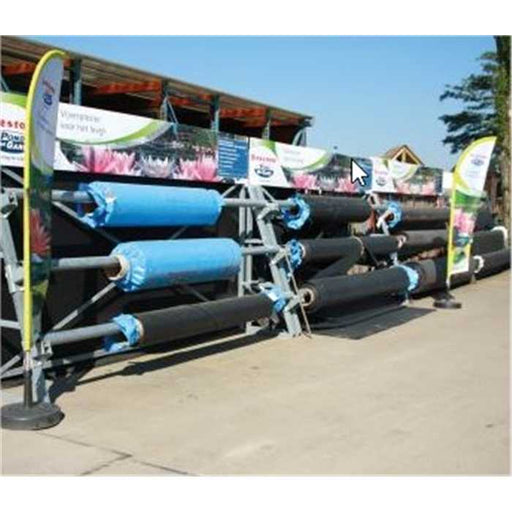
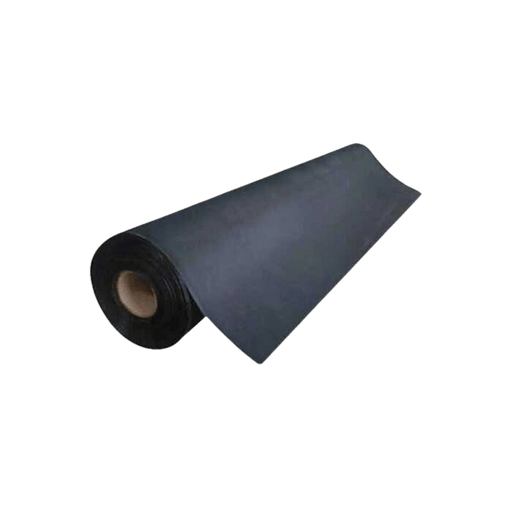
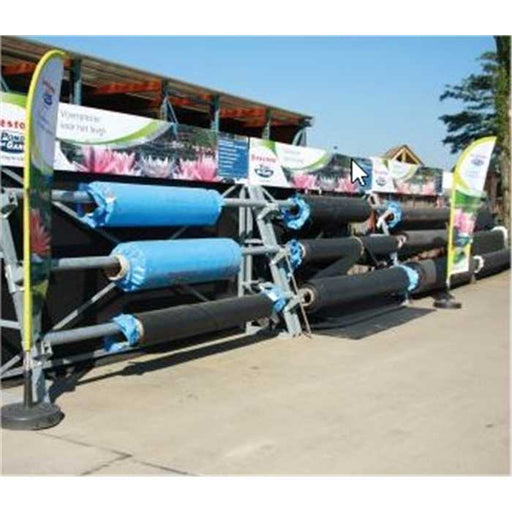
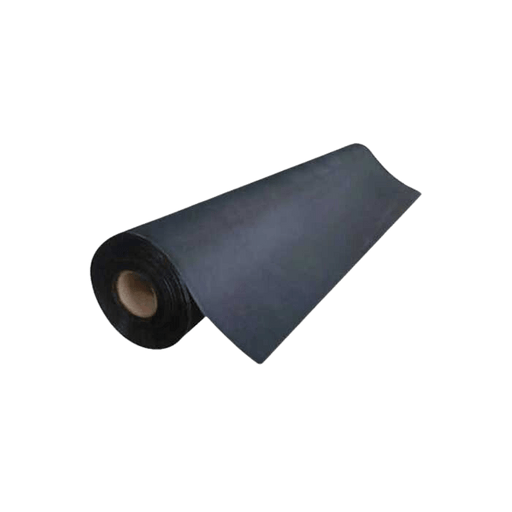
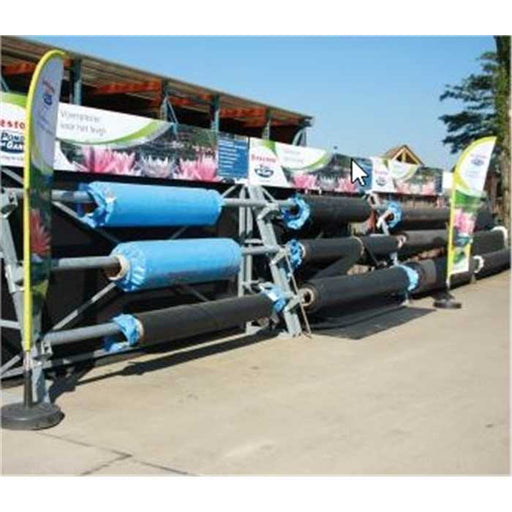
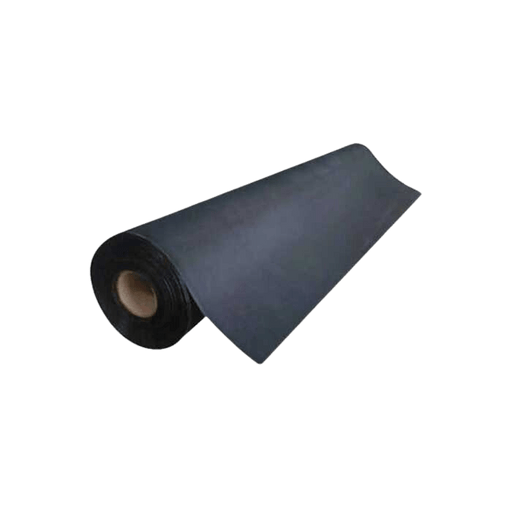
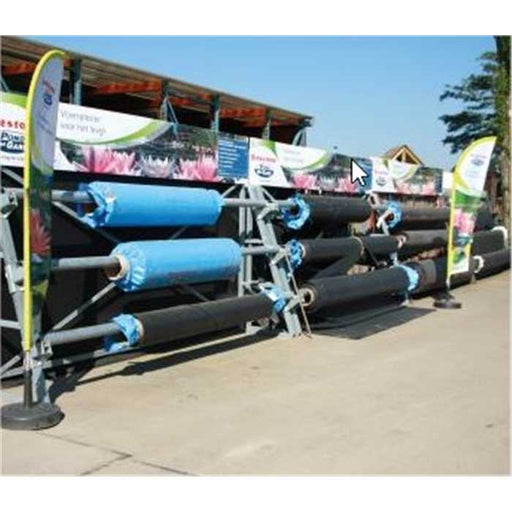
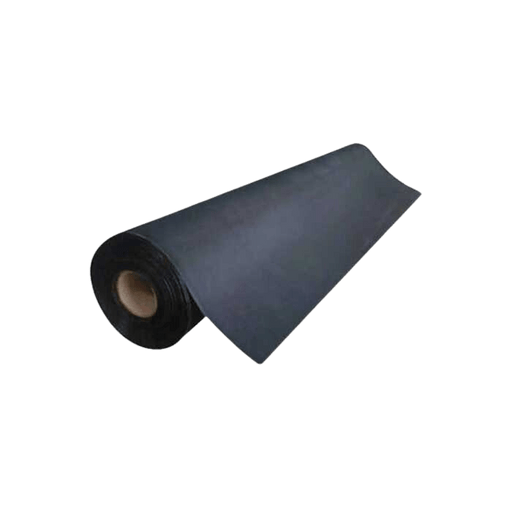
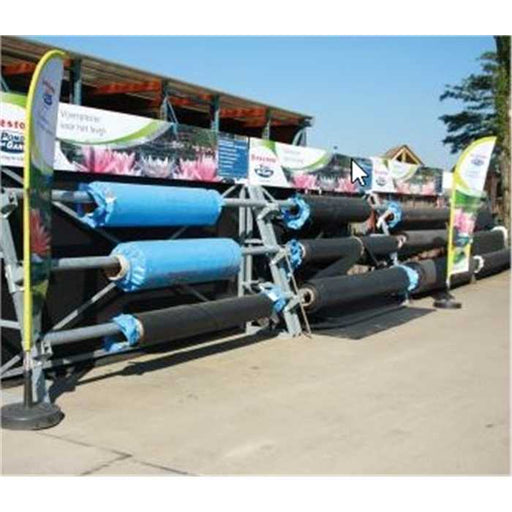
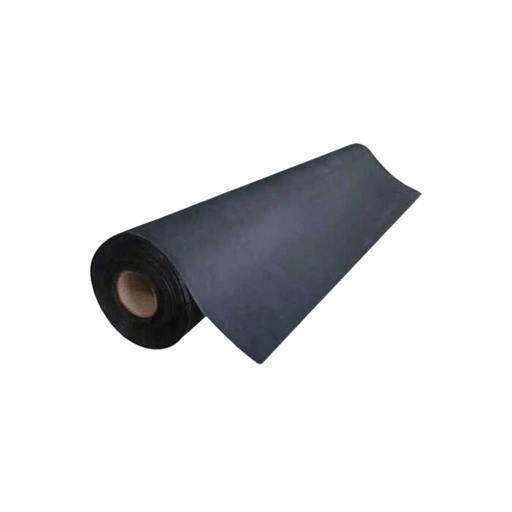
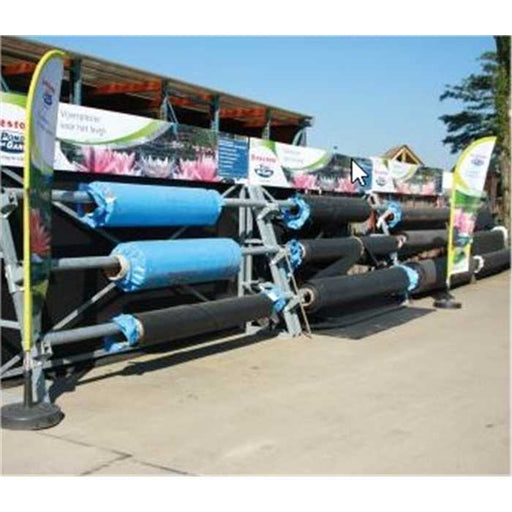
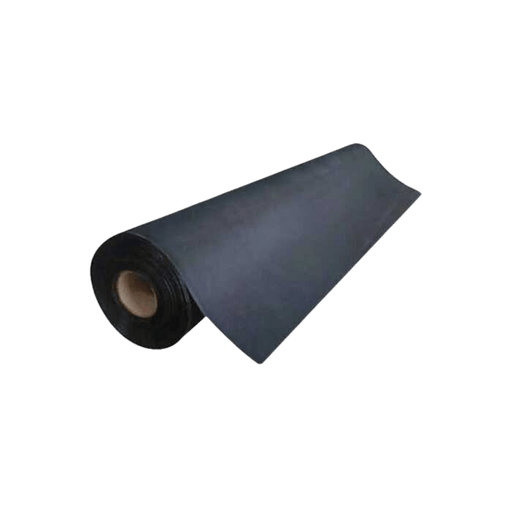
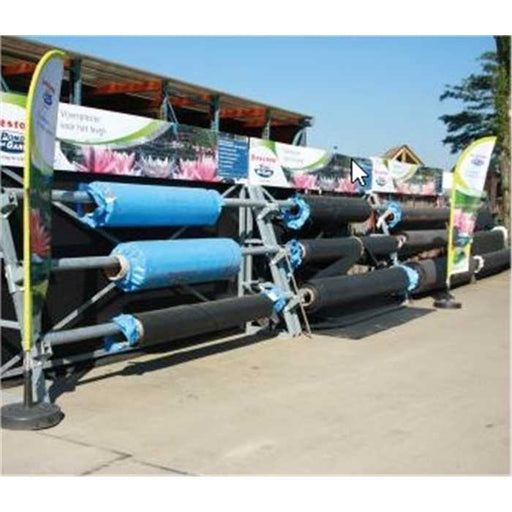
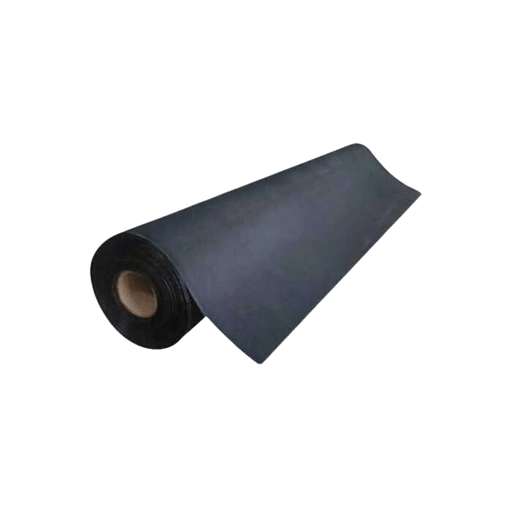
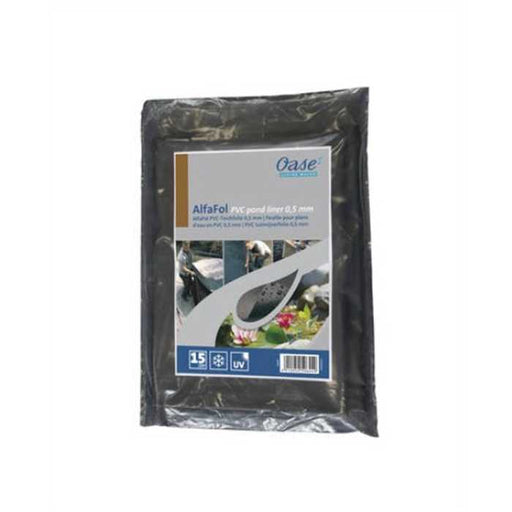
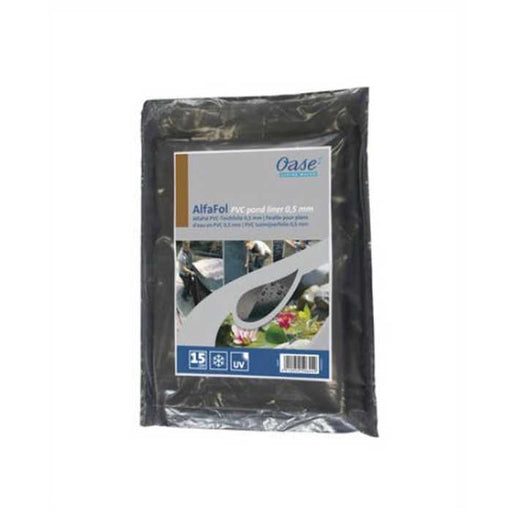
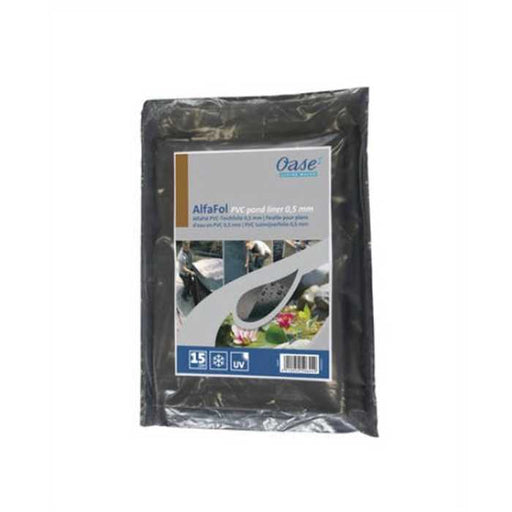
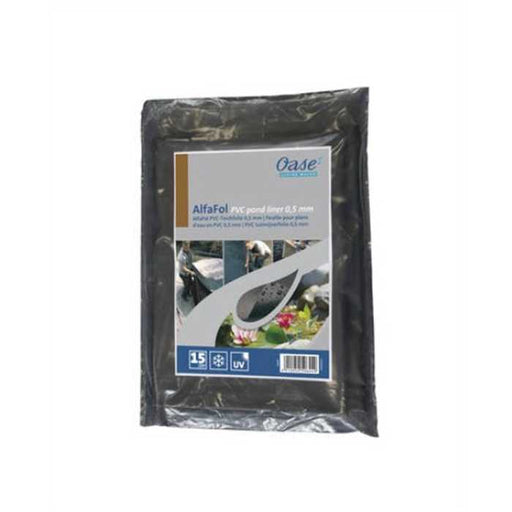
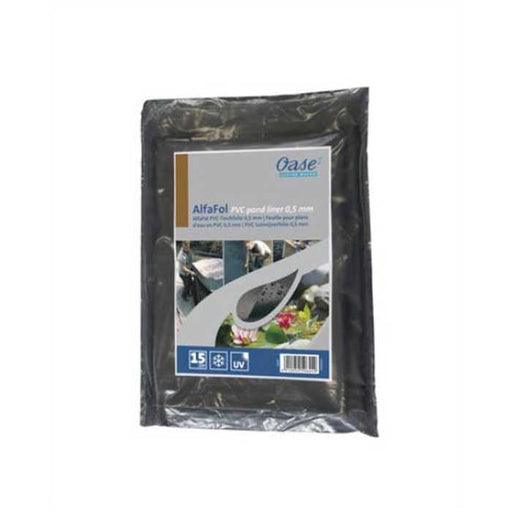
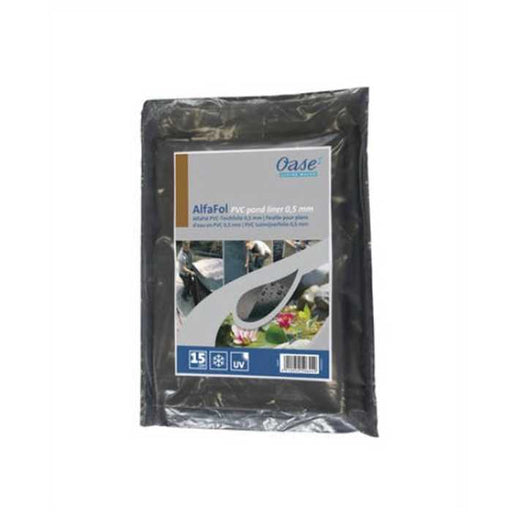
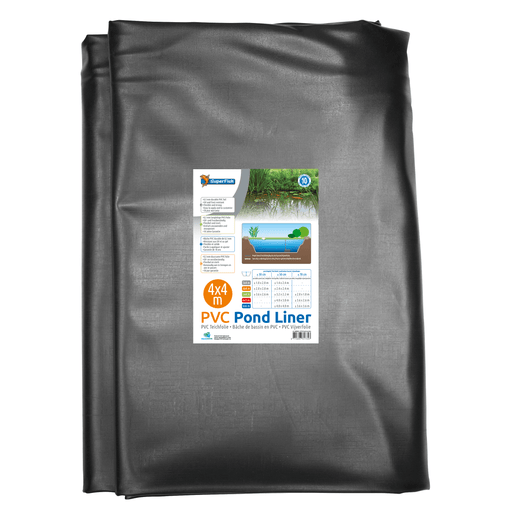
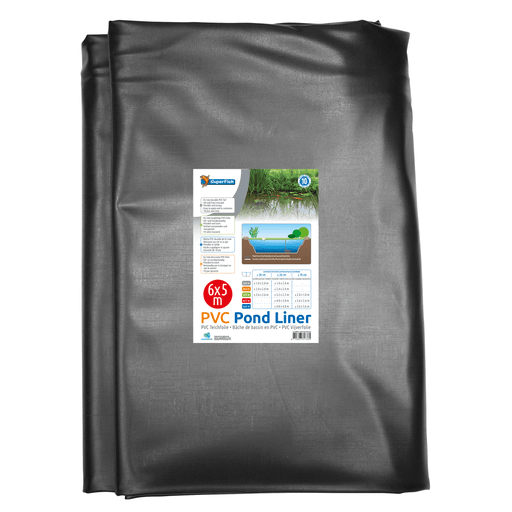
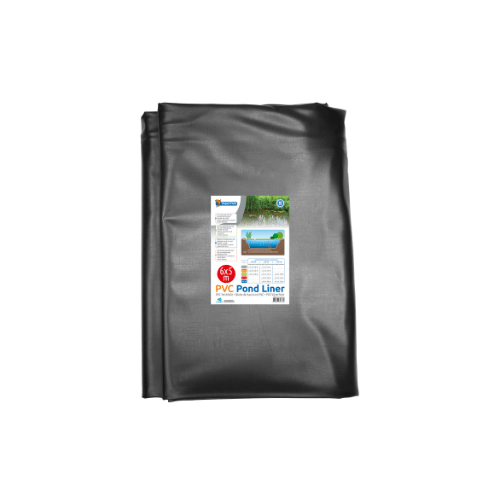
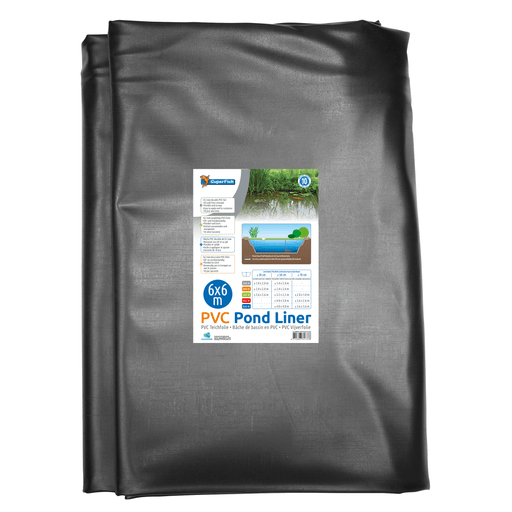
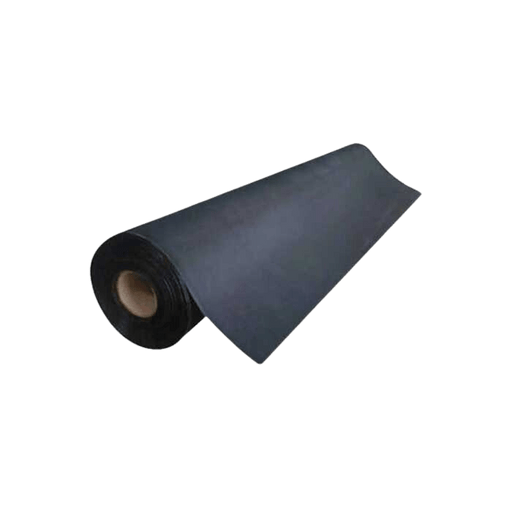
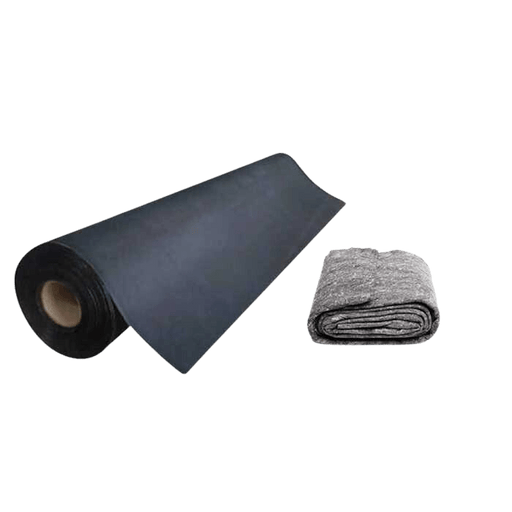
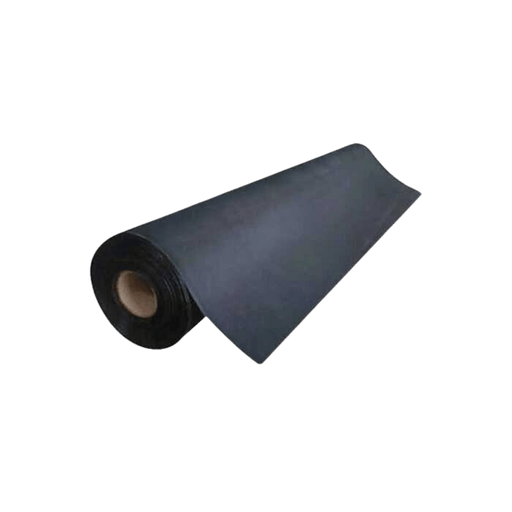
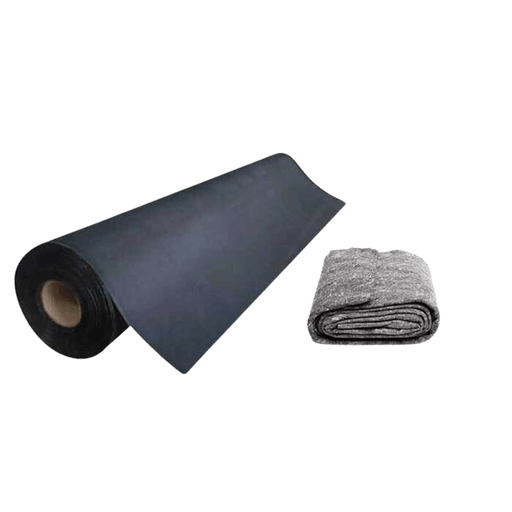
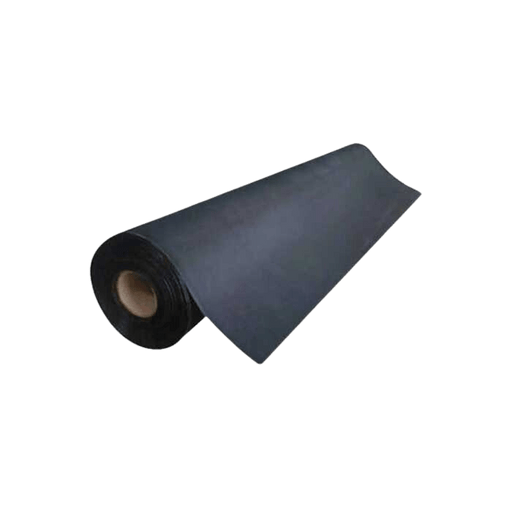
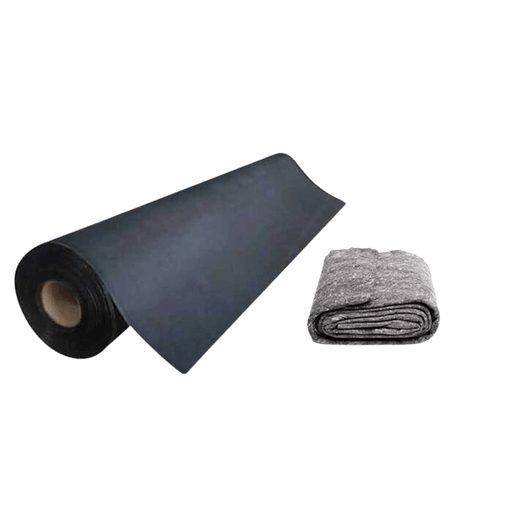
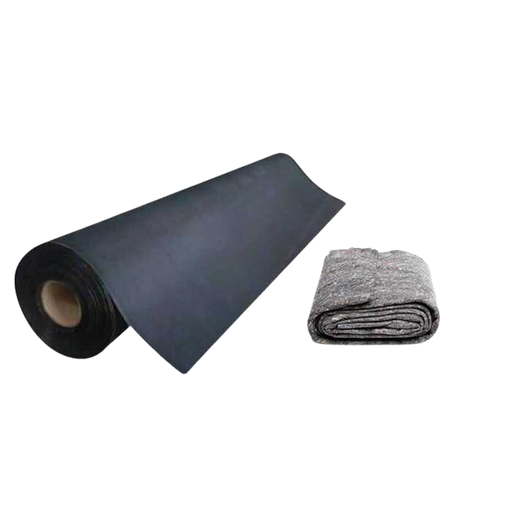
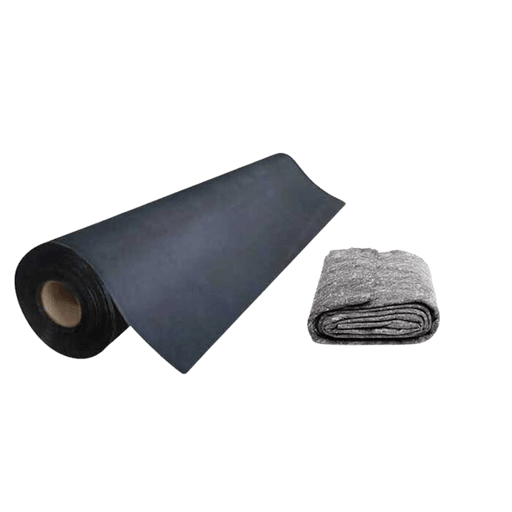
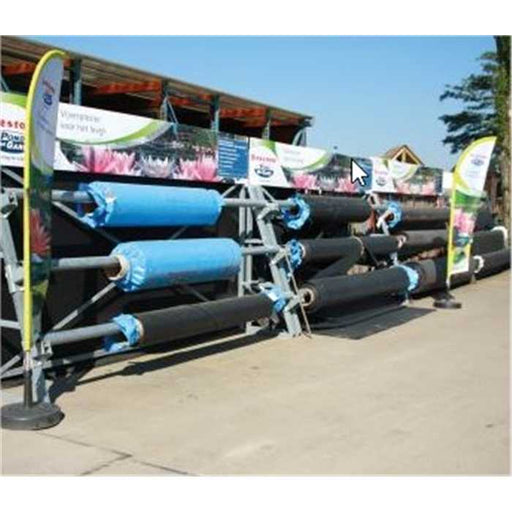
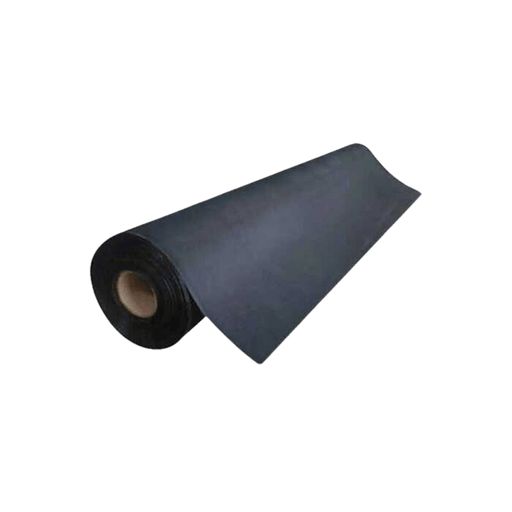
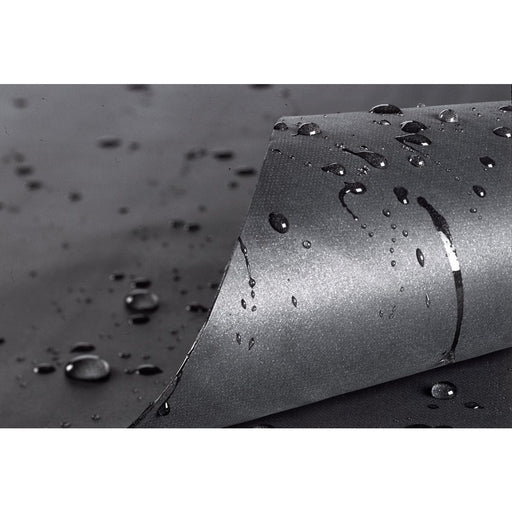


How to calculate the size of a pond liner? To roughly calculate a pond liner, we recommend first digging your hole. In 90% of cases, we choose the liner size after completing the excavation step.
To calculate if you are facing your pond hole:
Length: 2 X depth + (2 X 0.5M overlap) + the largest length
Width: 2 X depth + (2 X 0.5M overlap) + the largest width
We can provide you with a price quote if you send us a sketch via info@foudebassin.com or through the contact form.
Are you hesitating between an EPDM pond liner and a PVC pond liner (also called pond liner)? Here’s the essentials in 30 seconds:
-
EPDM: synthetic rubber, flexible, very durable (30 to 50 years lifespan), ideal for complex shapes and fish ponds. More expensive to buy.
-
PVC: pre-packaged tarp, lightweight, economical, easy to install on small volumes. Shorter lifespan (10 to 15 years), sensitive to long-term frost.
-
Thickness: 0.5 mm is enough for PVC in a small pond; count on at least 1 mm for EPDM, or even 1.2 to 1.5 mm for a large volume or a koi pond.
-
Our in-house advice: EPDM for a durable and adaptable project, PVC for a tight budget or a temporary pond.
At Foudebassin, we have been selling and installing pond liners for 25 years. We have seen hundreds of projects, both failures and successes: this guide is based on that experience, not on copy-pasting.
EPDM vs PVC: the 10-point comparison chart
Before buying your pond liner, compare the two materials based on the criteria that really matter for your project.
|
Criterion |
EPDM tarp |
PVC tarp |
|---|---|---|
|
Lifespan |
30 to 50 years, or more depending on thickness and maintenance |
10 to 15 years with continuous outdoor use |
|
UV / ozone resistance |
Excellent, no noticeable degradation after 30 years of exposure |
Correct but the plasticizer migrates over time, causing the tarp to harden and become brittle |
|
Fish compatibility |
Totally safe, neutral surface compliant with environmental standards, without talc or residues |
Good once rinsed, but some low-end PVCs release additives |
|
Ease of installation |
Very flexible, stretches and fits all shapes, fewer wrinkles |
More rigid, requires more handling on large surfaces, but weldable |
|
Cold resistance |
Remains flexible even at -40°C, does not crack in frost |
Becomes brittle below 0°C over time, risk of cracks |
|
Price |
Higher per m² (expect €8 to €15/m² depending on thickness) |
Economical (€3 to €6/m² pre-cut) |
|
Recommended thickness |
1 mm for a standard pond, 1.2-1.5 mm for a large pond or koi pond |
0.5 mm for a small garden pond, thicker for an exposed project |
|
Repairability |
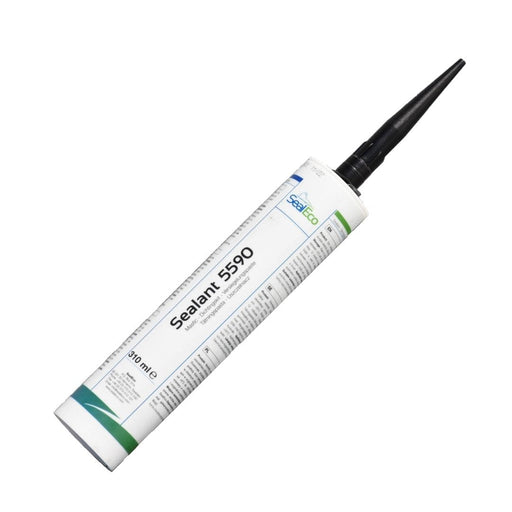
Easy with a specific EPDM adhesive or a self-adhesive patch |
Easy, can be welded or glued with a standard PVC repair kit |
|
Aesthetic appearance |
Deep black, very natural mirror effect |
Often black as well, slightly less matte finish, more "plastic" look |
|
Usage recommendation |
Permanent pond, large surface, fish pond (koi, carp) |
Small pond, tight budget, temporary project, or preformed pond |
Our interpretation of the table: if your pond is built to last and will house fish, the EPDM pond liner easily offsets its extra cost over 20 years. For a decorative pond of a few square meters or a first trial, the PVC pond liner does the job very well.
How to calculate the size of your pond liner
Always measure after excavation, never before, before ordering. In 9 out of 10 cases, the final size is decided once the hole is dug.
The simple formula:
-
Length = 2 × depth + (2 × 0.5 m overlap) + the longest length of the pond
-
Width = 2 × depth + (2 × 0.5 m overlap) + the widest width of the pond
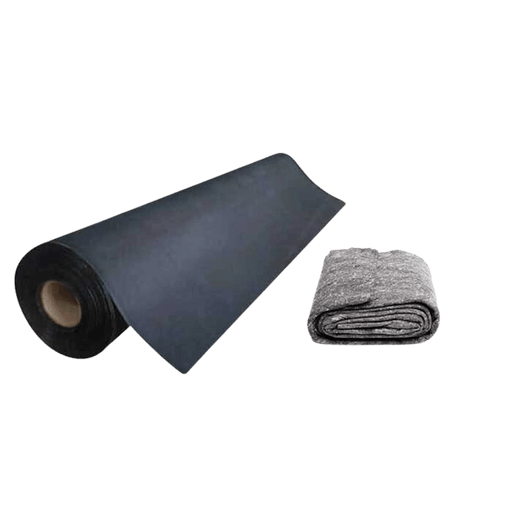
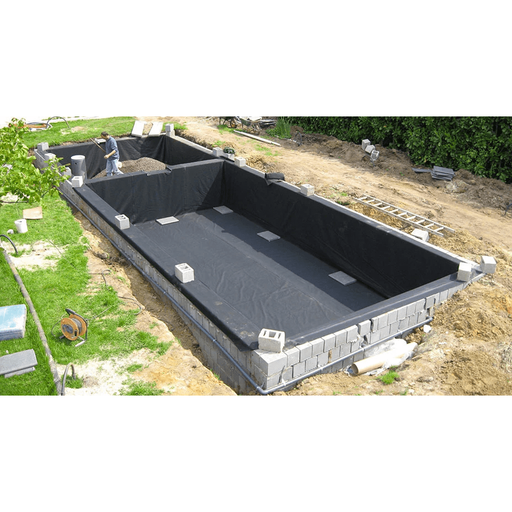
A minimum 50 cm overlap on each side gives you room for anchoring and finishing the banks. Also consider protective geotextile felt: it slips under the EPDM or PVC liner and protects against roots, sharp stones, and ground irregularities that could puncture it.
How to install a pond liner without mistakes
-
Level and clean the bottom: remove stones, roots, and sharp debris.
-
Lay the geotextile felt over the entire surface, including the shelves.
-
Unroll the liner on a mild day (EPDM stretches better at room temperature) and let it relax for 30 minutes before adjusting.
-
Secure the edges with stakes, fixing slats, or stones, without pulling too hard.
-
Fill gradually while readjusting the folds as you fill.
-
Finish the banks once the water level is stabilized, with coping stones or pebbles.
FAQ: your questions about pond liners
EPDM or PVC, which one to choose for my pond? For a permanent pond with fish, EPDM is recommended: more flexible, more durable, and maintenance-free. For a small project or limited budget, pre-packaged PVC liner remains an excellent compromise.
What thickness of pond liner should I choose? For PVC, 0.5 mm is sufficient for most garden ponds. For EPDM, 1 mm is standard, and 1.2 to 1.5 mm for a large pond or a heavily used koi pond.
How to properly install a pond liner? First level the ground, lay a geotextile felt underneath, unroll the liner in mild weather, secure the edges without excessive tension, then fill gradually while adjusting the folds.
How long does a pond liner last? An EPDM liner lasts 30 to 50 years depending on thickness and maintenance. A PVC liner generally lasts 10 to 15 years before becoming brittle due to UV exposure and frost.
How to repair a punctured pond liner? Clean and degrease the area, then apply a patch with suitable EPDM glue (for EPDM) or a PVC repair kit with cold welding. Both methods last several years if the bonding is well prepared.