

How to maintain the garden pond after winter?
After winter, garden ponds often accumulate organic debris, slowed filtration, and stagnant water that disrupt biological balance. As soon as frost ends, in February-March depending on the region, it is important to restart the system to protect koi carp, aquatic plants, and the entire biotope.
This guide offers concrete steps for effective maintenance: water quality control, cleaning without full drainage, and selecting suitable equipment.
These preventive actions limit risks of algae, turbidity, and fish stress while restoring pond aesthetics. Adapt them to your installation size and local climate conditions for optimal results.
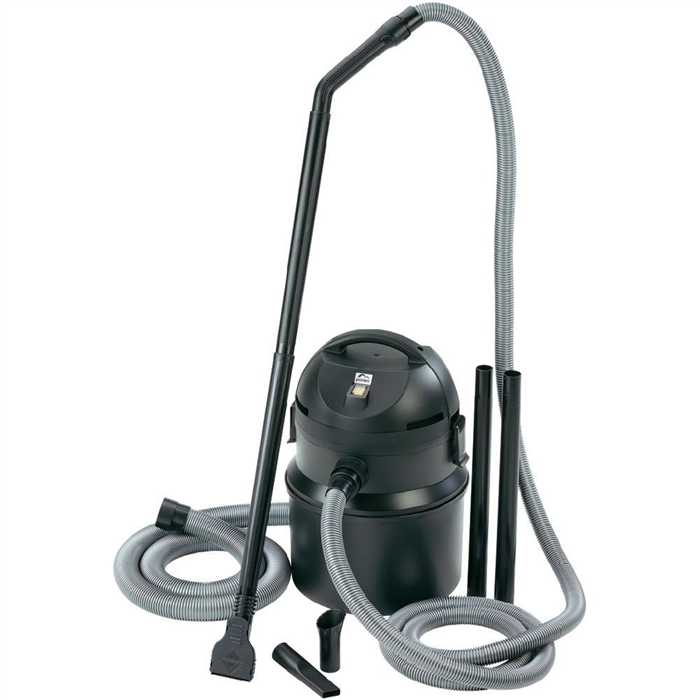
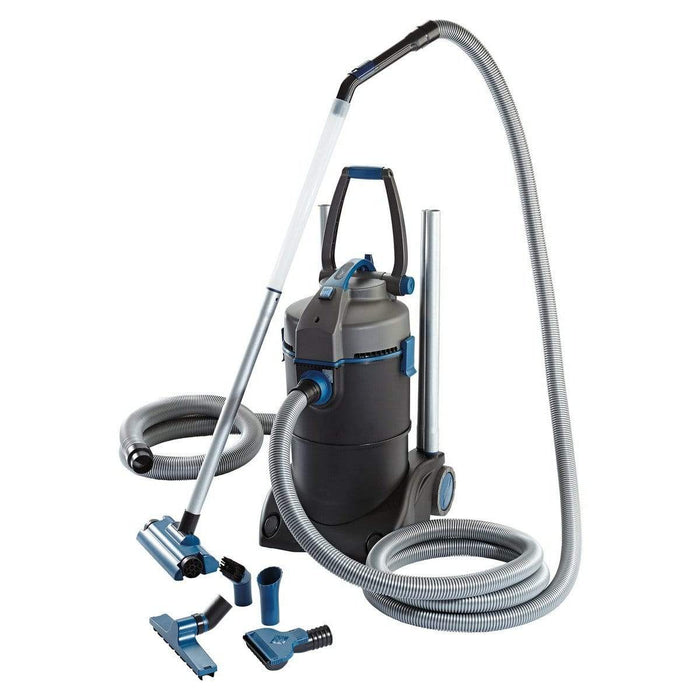
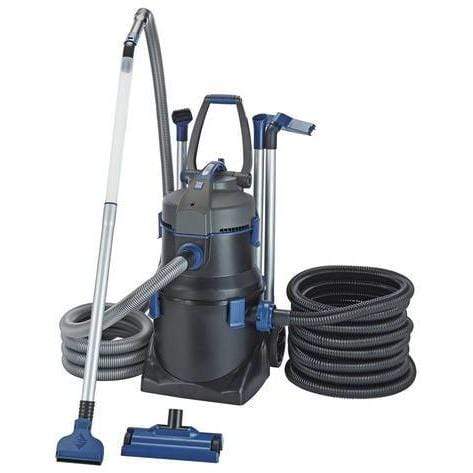
Our selection of pond vacuums
Choose the vacuum suited to your pond’s size and needs for optimal and efficient maintenance.
Why maintain post-winter?
Post-winter maintenance is essential to restart an aquatic ecosystem weakened by cold and organic waste buildup. After months of stagnation, dead leaves and decomposed sludge risk unbalancing the water, promoting algae and toxic gases.
Early intervention guarantees a clear and healthy pond from spring.
— Preserve biological balance
Winter interrupts natural bacterial cycles, allowing ammonia and nitrites from organic debris to accumulate.
Testing pH, GH, ammonia, and nitrites helps detect imbalances and add nitrifying bacteria to restart the nitrogen cycle. Properly maintained, the ecosystem avoids toxic spikes and ensures optimal filtration.
Early maintenance reactivates nitrifying bacteria for lasting natural balance.
— Ensure koi health
Koi come out of winter with weakened metabolism and reduced immunity, making them vulnerable to infections. Check their behavior and water oxygenation, as a frozen surface traps harmful gases; an air pump maintains gas exchange. Preventive vitamin supplementation strengthens their protective mucus and speeds recovery.
— Optimize water quality and aesthetics
Waste accumulated after winter promotes cloudy and greenish water as temperatures rise; vacuum the sludge and use a biobooster to float impurities.
Add oxygenating plants to compete with algae and clarify the water through UV or filtration. Your pond then regains clarity and brightness, ready for the season.
Step 1 - Check water quality
After winter, water quality must be carefully checked to ensure the health of fish and plants. Low temperatures and organic matter accumulation can unbalance essential parameters.
Regular analysis allows quick action and prepares the pond for the active season.

— Essential tests (pH, ammonia, nitrites)
Priority parameters include pH (ideally between 7 and 8), ammonia (NH3 at 0), and nitrites (NO2 at 0). These tests reveal toxic imbalances from winter decomposition.
Use reliable kits like Colombo Test Lab, Sera Aqua Test Box, or JBL Pro Aquatest for accurate measurements.
— Interpretation of results
A pH below 7 indicates acidic water, harmful to koi carp; above 8, it promotes algae.
Detected nitrites or ammonia indicate an incomplete nitrogen cycle, dangerous for fish.
Compare to target values: GH 8-15 °dH, KH 6-12 °dH for stable water.
In summary:
- pH <7 indicates acidity (winter rain)
- ammonia >0.25 mg/L toxic for koi
- Adjust with KH+ or GH+ if imbalance
- High nitrites indicate filtration failure
— Frequency of tests post-winter
Perform a full test at the end of February, then once a week in February-March.
This weekly vigilance anticipates fluctuations due to biological restart and spring rains. Continue until complete parameter stabilization.

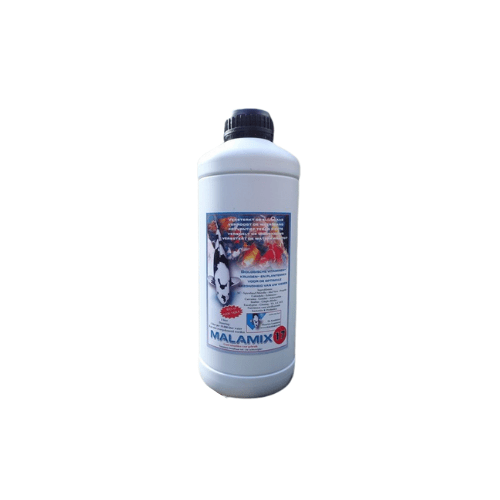
— Solutions if imbalance (Malamix 17)
In case of high nitrites or ammonia:
- Add nitrifying bacteria like Optinit to restart the cycle,
- Add Malamix 17 to strengthen fish immunity, improve nitrification, and balance the water thanks to its probiotics and enzymes.
- Use preventively every 3 months from 8°C.
- Change 20-30% of the water if necessary.
Step 2 - Clean debris and sludge
After winter, dead leaves, branches, and other accumulated debris decompose and promote algae growth in spring. A thorough cleaning of the surface and bottom restores water balance and protects fish such as koi carp.
This step prevents the accumulation of toxic sludge, a source of harmful gases and oxygen depletion.
— Remove leaves and surface debris
Use a long-handled net to remove floating leaves, faded flowers, and plant debris on the surface.
Act regularly from the first falls to prevent their deposit on the bottom.
Complete with a skimmer if equipped, to maintain clear water and limit nutrients available for algae.
— Vacuum the bottom without draining
Use a dedicated pond vacuum, such as Pondovac models, to suction sludge and accumulated sediments without draining the pond. This method preserves the biotope of fish and beneficial bacteria.
Proceed slowly on the bottom to avoid disturbing the ecosystem, then check water parameters (pH, nitrites) after the intervention.
Pond and spring sludge vacuums.
Recommended products and tools
To restore your pond after intensive cleaning, here is a selection of proven products and tools, suitable for koi carp ponds. These solutions promote rapid ecosystem rebalancing while protecting aquatic wildlife.
— Biological activators (BioBooster+)
Biological activators like BioBooster+ introduce essential nitrifying bacteria to restart the nitrogen cycle. They break down ammonia and nitrites from accumulated waste, thus avoiding toxic spikes for your koi.
Apply an initial dose after rinsing the filter, then renew weekly for lasting stabilization.

— Treatments for koi (Malamix 17)
Malamix 17 is a broad-spectrum treatment designed for koi carp, effective against bacterial, parasitic, and fungal infections often worsened after a major cleaning.
It acts as a bath or dispersion in the pond, strengthening the fish's immune defenses without disturbing filtration.
Use it in prior quarantine to prevent cross-contamination.
— Filtration restart (pumps/UV)
To effectively restart filtration, first check your pumps: clean the strainers and ensure optimal flow to recirculate water loaded with residues.
Combine them with a UV sterilizer (power 4-9 W/m³) that eliminates unicellular algae and clarifies the water in addition to the bacteria.
Restart in progressive mode over 24h to avoid thermal shocks.
Selection criteria according to your pond
Choosing a pond vacuum requires considering several parameters related to your specific needs. This ensures effective maintenance while preserving the water's biological balance and fish health.
A suitable selection avoids extra costs and optimizes results.
— Size and type (decorative/koi)
Koi ponds over 10 m³, often requiring volumes above 12 m³, need treatments like BioBooster to activate bacteria and remove sludge, combined with powerful vacuums such as the Pondovac 4.
For smaller decorative ponds, basic kits with simple suction are enough to keep the water clear without excessive complexity. This distinction preserves the biological balance and fish health according to the type of setup.
— Budget and frequency
For a budget under €200, opt for manual maintenance combined with BioBooster.
The recommended frequency is annual for routine maintenance, with intensive cleaning after winter.
— Practical advice and start-up calendar
When to start
From the end of February, after the last frosts, start waking your pond when the water temperature exceeds 8 °C. Avoid any intervention if there is a risk of residual frost to protect equipment and pond inhabitants.
Best practices (koi, plants)
Prioritize filtering plants for natural water purification. Replant water lilies and oxygenating plants only when the water reaches above 12 °C to ensure their optimal recovery and role in biological filtration.
Gradual awakening of koi
Introduce feeding as soon as the temperature exceeds 10 °C, carefully observing their behavior. Use wheat germ-based food, low in protein, to promote easy digestion and avoid cold-related issues.
Mistakes to avoid and maintenance
Never perform a total pond drain, as this causes the loss of beneficial bacteria essential to biological balance.
Also avoid overdosing chemicals, which can disrupt flora and fauna.
Perform monthly equipment maintenance: check and clean UV lamps and pumps to maintain clear and healthy water.
Discover our Active Oxygen collection
A powerful and natural selection to keep your pond clean, clear, and balanced.

BiOx - Colombo
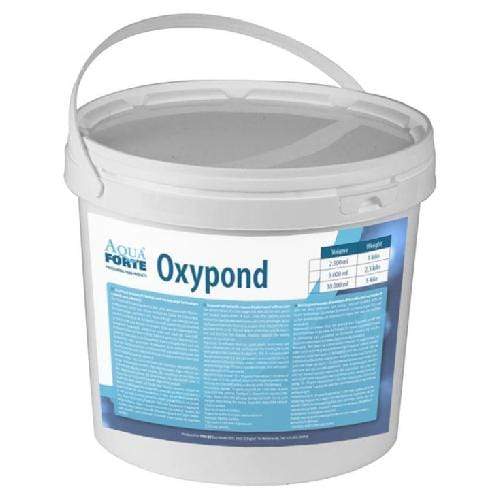
Oxypond - AquaForte
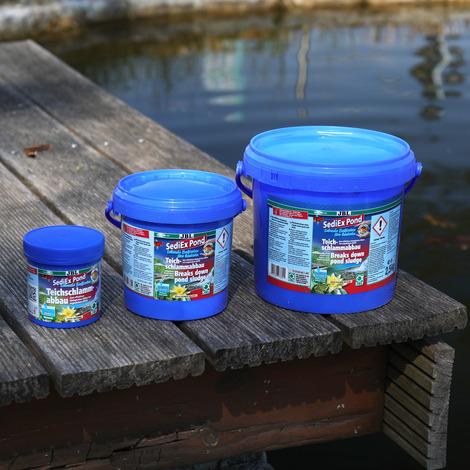
JBL SediEx Pond
Frequently Asked Questions
— Is pond draining necessary?
No, it is better to vacuum debris from the bottom without a complete drain to preserve beneficial bacteria in the biological filter. A maximum 20% water change is recommended only in case of high toxins (ammonia or nitrites).
— Cloudy water after cleaning?
Add a bacterial activator like BioBooster and enhance water circulation with a suitable pump. The balance usually stabilizes within 7 days, promoting clear and healthy water for your koi carp.
— Maintenance frequency for koi pond?
Carry out weekly maintenance after winter to restart the biological cycle, then switch to a monthly frequency. Always monitor the water temperature, as it influences the activity of fish and bacteria.
— What to do in case of high ammonia?
Apply a treatment based on nitrifying bacteria and perform a partial water change. Also check our detailed advice to improve water quality in the dedicated section.
— Replanting plants after winter?
Wait for a temperature above 12 °C to replant filtering plants like water lilies or oxygenating plants. These accessories promote natural balance and compete with algae.
Leave a comment