

How to choose a UV lamp for my pond?
UV lamp for ponds: the secret to clear water all year round
A harmonious ecosystem is reflected in a healthy pond. Pond enthusiasts know this well: water quality is crucial for the well-being of fish and the flourishing of plants.
UV lamps are becoming essential allies in this quest. They preserve the clarity and cleanliness of the water by eliminating harmful microorganisms. By doing so, they control suspended algae and keep the water clear and healthy.
This article explores how to choose the ideal UV lamp for your pond. Power, type, lifespan, reliability, and quality are key parameters to consider. We will examine these criteria to help you make an informed choice that is optimal for your setup.
What is a UV device and why is it essential for your pond?
Understanding the role of UV lamps
UV lamps, indispensable allies for maintaining a healthy and balanced pond, use ultraviolet light to neutralize unwanted microorganisms. They act as vigilant guardians, protecting your aquatic oasis from invisible threats.

By destroying the DNA of these microscopic intruders, UV lamps disrupt their genetic code, preventing them from reproducing. This action ensures a stable aquatic environment, preventing the proliferation of harmful microorganisms. Thus, your fish and aquatic plants thrive in clear, crystal-clear water, synonymous with health and well-being.
The difference between UV lamps and UV-C lamps
It is crucial to note that the distinction between traditional UV lamps and UV-C lamps lies in the wavelength of the ultraviolet light emitted and their respective effectiveness.

- The UV lamps emit ultraviolet light of various wavelengths, while UV-C lamps are specially designed to emit at 254 nanometers. This wavelength is highly effective at eliminate a variety of microorganisms, including bacteria, viruses, and algae.
- The UV-C lamps are considered more powerful and effective for water sterilization, and are preferred when water clarity and preventing microorganism growth are essential. However, depending on your pond's specific needs, traditional UV lamps may be sufficient for controlling suspended algae.
In the following sections, we will explore the factors to consider when choosing the right UV lamp for your aquatic environment.
Key features to consider in a UV lamp
Choosing the type of UV device
When considering adding a UV lamp to your pond, the first important decision is determining which type of UV device best suits your needs. There are primarily two categories of UV devices: sterilizers and clarifiers.
- UV sterilizers are known for their power. They are capable of eliminating most harmful microorganisms in your pond water. If you are looking for a solution to eliminate a wide range of microorganisms, including bacteria and parasites, UV sterilizers are an excellent choice. They are particularly suitable for ponds where microorganism control is a priority.
- UV clarifiers, on the other hand, focus primarily on controlling suspended algae. If your main problem is algae growth that is clouding your pond water, a UV clarifier is a more targeted option. These devices can help clear the water by removing suspended algae particles, while having a less aggressive effect on other microorganisms.

Choosing the right power
Another crucial consideration when choosing your UV lamp is the unit's power. The UV lamp's power should match the size of your pond to ensure optimal effectiveness.
- For ponds under 1,000 liters, a UV lamp with a power rating between 5 and 15 watts is generally sufficient. This is suitable for small ponds where the volume of water to be treated is limited.
- Medium-sized ponds, with capacities ranging from 4,000 liters to 12,000 liters, require higher power. In this case, choose an 18- to 55-watt UV lamp for adequate performance.
- If you have a large pond, with a capacity exceeding 12,000 liters, you will need to invest in a UV lamp of 55 watts or more, depending on the exact size of your pond. Larger ponds require increased power to effectively treat a large volume of water.
UV lamp lifespan and reliability
The lifespan of the UV lamp is another key factor to consider. As a general rule, most UV lamps have a lifespan of between 6 and 12 months before requiring replacement. However, some brands offer long-life UV lamps that can reduce maintenance costs by minimizing the frequency of replacements.
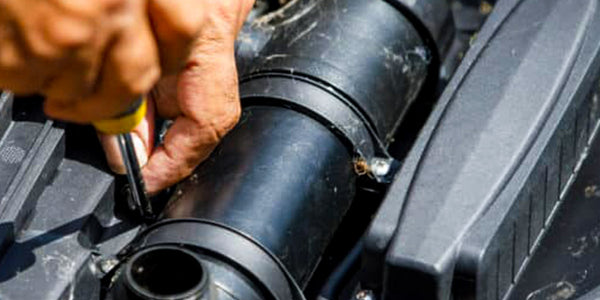
The reliability and quality of the chosen UV device are therefore essential to ensure safe and effective operation over the long term. Choose a UV device manufactured by a reputable brand known for its quality and durability. Choosing a high-quality product is an investment in the health of your aquatic ecosystem.
Specific considerations: type of algae and sunlight exposure
Identify the type of algae you are dealing with and consider how much sunlight your pond receives. Greater exposure to sunlight may require a more powerful UV lamp to effectively control algae growth.
Conclusion
In summary, UV lamps prove to be essential guardians for preserving the health of your pond. By destroying unwanted microorganisms, these devices ensure clear, crystal-clear water, conducive to the flourishing of your fish and aquatic plants.
Finally, let us not forget that it is crucial to understand the difference between traditional UV lamps and UV-C lamps, the latter being more powerful for water sterilization.
Where to find your UV lamp
Leave a comment