Skip to content
🔥 FREE SHIPPING ON ORDERS OVER €149*! 🔥

Okiagari

Okiagari-koboshi literally means "little priest standing up". It is a traditional Japanese culbuto made of papier-mâché and designed in such a way that it always returns to an upright position when tilted to the side. Japanese children have been playing with okiagari-koboshi for a long time; they already appeared in writings from the 14th century. During the Tokaichi or Tenth Day Market, customers release several of these tumblers at the same time and the ones that stay upright are said to bring good luck. Finally, they symbolize perseverance and resistance in the face of adversity, echoing the Japanese proverb: “Seven...
En savoir plus sur les Okiagari
Original price €10,95
Original price €10,95 - Original price €10,95
Original price €10,95
Current price €7,59
€7,59 - €7,59
Current price €7,59

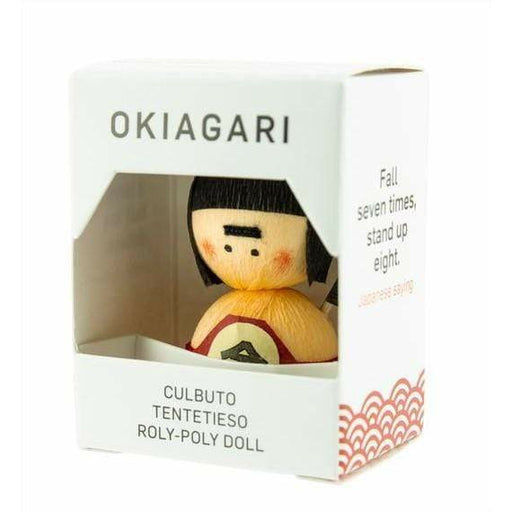
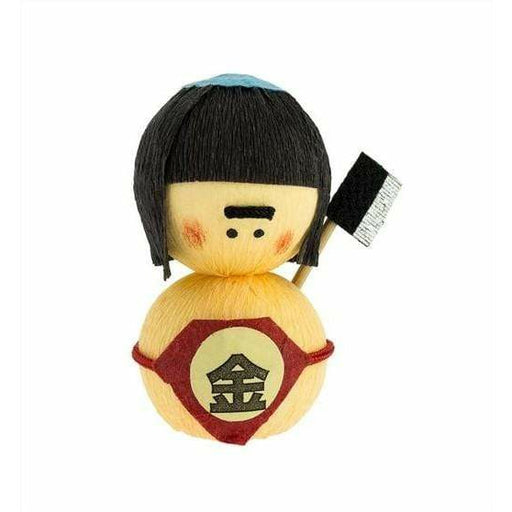
Culbuto Okiagari Kintaro the Golden Boy

Aquigarden

Culbuto Okiagari Kintaro the Golden Boy Kintaro is a character from Japanese folklore who is characterized by his extraordinary strength. Once u...

View full details
Original price €10,95
Original price €10,95 - Original price €10,95
Original price €10,95
Current price €7,59
€7,59 - €7,59
Current price €7,59
Save €3,36 Save €0,00
Original price €0,00 - Original price €0,00
Original price
€0,00
€0,00 - €0,00
Current price €0,00

Traditional Okiagaris display 56+2

Woodstock

Woodstock

Original price €0,00 - Original price €0,00
Original price
€0,00
€0,00 - €0,00
Current price €0,00

Okiagari-koboshi literally means "little priest standing up". It is a traditional Japanese culbuto made of papier-mâché and designed in such a way that it always returns to an upright position when tilted to the side. Japanese children have been playing with okiagari-koboshi for a long time; they already appeared in writings from the 14th century. During the Tokaichi or Tenth Day Market, customers release several of these tumblers at the same time and the ones that stay upright are said to bring good luck.

Finally, they symbolize perseverance and resistance in the face of adversity, echoing the Japanese proverb: “Seven times down, eight times up”. Tradition dictates that one buys a culbuto for each member of the family plus one, in the hope that the family will grow during the year.