
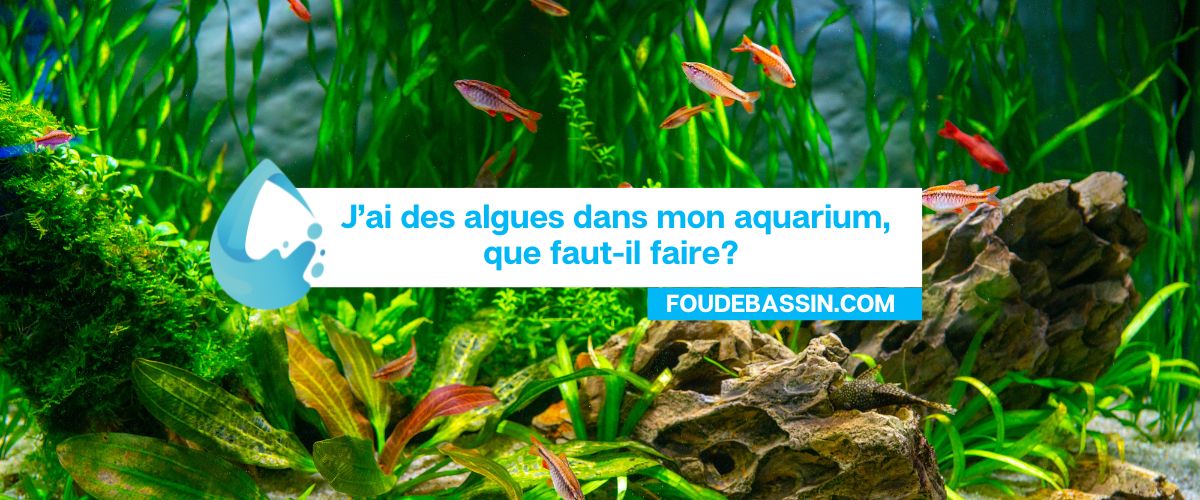
I have algae in my aquarium, what should I do?
Algae in an aquarium are one of the most common concerns for aquarists, whether beginners or experts.
These organisms can invade your decorations, disrupt the aesthetics of your aquarium, and in some cases, harm your tank's ecosystem.
Understanding their origin and adopting a methodical approach to eliminate them is essential to maintain a healthy and visually pleasing environment.
1. Understanding the different types of algae
Before fighting algae, it is essential to identify them correctly. Here are the main types of algae you may encounter:
A. Green algae
-
Description: They appear as a green film on the walls or cloudy water. Green algae, although often seen as a problem, are also an indicator of good light and nutrient levels in the water.
-
Main causes: Excess light and nutrients (nitrates and phosphates) can lead to rapid proliferation.
B. Brown algae
-
Description: They form a brown layer on decorations and plants, giving the aquarium a dull appearance.
-
Main causes: Insufficient lighting and the presence of silicates, often in new aquariums, encourage their appearance. They usually disappear over time with proper lighting.
C. Black or brush algae
-
Description: These algae form dark clumps on plants, equipment, and sometimes decorations.
-
Main causes: Poor water circulation combined with excess nutrients creates an environment favorable to these particularly stubborn algae.
D. Filamentous algae
-
Description: They look like threads or spider webs, clinging to plants and sometimes floating freely in the water.
-
Main causes: Excessive light and nutrient imbalance promote their growth. They can quickly smother plants if not controlled.
2. Why do algae appear?
Algae mainly grow when there is an imbalance in the aquarium ecosystem. Here are the most common causes:
A. An excess of nutrients
-
Algae feed on nitrates (NO3) and phosphates (PO4). Overfeeding fish or accumulation of organic waste can lead to an increase in these nutrients.
-
Advice: Use water tests to monitor these levels and identify potential sources of excess.
B. Poor lighting
-
Too long lighting duration or an unsuitable light spectrum can disrupt the aquarium's natural balance, encouraging algae at the expense of plants.
-
Tip: A timer for your lights can help regulate their duration and limit algae growth.
C. Poor water circulation
-
Stagnant water prevents proper distribution of nutrients and oxygen, creating areas where algae can thrive.
-
Solution: Make sure your filtration system is suitable for the size of your aquarium.
D. A lack of live plants
-
Plants play a crucial role in aquarium balance by absorbing the nutrients that algae feed on.
-
Recommendation: Introduce fast-growing plants, such as Egeria densa or Vallisneria.
3. How to get rid of algae?
A. Control water parameters
-
Test the water regularly:
-
Keep nitrates below 20 ppm and phosphates below 0.05 ppm. Test kits are available to easily monitor these parameters.
-
-
Carry out regular water changes:
-
Perform weekly changes of 20 to 30% to dilute nutrients and remove organic waste.
-
Tip: Use reverse osmosis water if your tap water is high in nitrates or phosphates.
-
B. Improve the lighting
-
Set the lighting duration:
-
Limit it to 6 to 8 hours per day. If possible, split the duration to give algae a break.
-
-
Use suitable lamps:
-
Choose full-spectrum lamps designed to promote plant growth while limiting algae.
-
C. Manual cleaning
-
Brush the surfaces:
-
Use a soft brush or sponge to remove algae from the walls, plants, and decorations.
-
-
Siphon debris:
-
During water changes, use a siphon to remove debris accumulated at the bottom of the tank.
-
D. Introduce natural allies
-
Algae-eating fish:
-
Crossocheilus siamensis (Siamese algae eater) for larger areas.
-
Otocinclus for smaller or planted aquariums.
-
-
Shrimps and snails:
-
Amano shrimp and Neritina snails are champions of natural cleaning.
-
E. Use anti-algae products with caution
-
If you choose chemical solutions, carefully follow the instructions and monitor the impact on your fish and plants.
4. Preventing algae growth
A. Establish regular maintenance
-
Clean filters, trim plants, and perform water tests to anticipate problems.
B. Introduce fast-growing plants
-
These plants quickly consume nutrients, thus limiting those available to algae.
-
Examples: Hygrophila, cabomba, and rotala.
C. Monitor fish feeding
-
Distribute an amount of food that your fish can consume in 2 to 3 minutes.
D. Improve water circulation
-
Install a pump or air diffuser to maintain constant water movement and improve oxygenation.
5. When to consult an expert?
If, despite your efforts, algae persist or your aquarium experiences a major imbalance, it may be helpful to seek advice from an expert. The Foudebassin.com team is available to help you identify specific problems and offer tailored solutions.
Conclusion
Algae in an aquarium can seem invasive, but with a methodical approach and rigorous maintenance, they can be effectively controlled.
Adopt preventive practices, invest in suitable equipment, and don't hesitate to consult experts like Foudebassin.com for personalized advice. With a bit of patience and the right strategies, you can enjoy a vibrant and perfectly balanced aquarium.
Leave a comment