


Filamentous algae: the fall plan to keep them from returning in spring
Every spring, it is the same race: as soon as the water rises just above 12 °C, the stones become covered in filaments, while the plants have not yet produced a leaf. We treat, collect, and grumble. Yet this April surge is no coincidence. Spring filamentous algae feed on the nutrient reserves that the pond has accumulated during autumn and winter: October is therefore the best time to prevent them. Here is the plan we recommend to pond owners who are tired of starting over every year.
— The short answer
Measure phosphate levels before winter to know where you are starting from. Remove anything that will rot: sludge, leaves, and withered parts of plants. Clearly decide what to do with the filter, whether it stays running or is properly put into standby. Bind excess phosphates while the water is still warm, and prepare the plants that will take over in spring. The fewer nutrients remain available in March, the less the filaments have to get started.

Why spring is decided in autumn
When the pond starts up again, algae and plants do not get off to an equal start. Filamentous algae resume growth as soon as the first mild days arrive, from fragments left on the stones. Rooted plants, on the other hand, wait until the water and soil have truly warmed up. For a few weeks, the algae therefore have the pond to themselves. What they find in the water then depends directly on what has decomposed since October: fallen leaves, withered stems, sludge, and leftover food. The phosphorus released by this debris is precisely the nutrient that most often limits algae growth in fresh water, as described in standard limnology references.
Take stock: where are the nutrients stored?
| Reservoir | Autumn task | Benefit in spring |
|---|---|---|
| Open water (dissolved phosphates) | Test, then bind the excess while the water is above about ten degrees | Fewer nutrients available at the first thaw |
| Bottom sludge | Vacuum the thickest areas | Less phosphorus release at the end of winter |
| Withered plants and fallen leaves | Cut back, collect, install a net | Less organic matter rotting under the ice |
| Filter | Rinse in the pond water, or empty and store cleanly if it is shut down | No sludge flowing back into the pond when restarting |
| Algae still present | Remove them by hand rather than killing them in place | Fewer “cuttings” ready to regrow |
Step 1: measure before deciding
A phosphate test costs the price of a bottle of treatment and often saves you from buying one unnecessarily. Do it one morning, taking the sample at mid-depth, away from the filter outlet. A very low value means that your filaments are finding their food elsewhere, in the sludge or debris, and that is where you need to act. A clearly elevated value justifies using a phosphate binder before the water cools. Note the result: repeated in March, it will tell you whether winter has replenished the stock.
Sera Test PO4 - Phosphates
Easy-to-read drop test for measuring phosphates before and after winter. Live price and add to cart:
Step 2: remove what will rot
Everything that decomposes in the pond between November and March eventually becomes nutrients. Remove the leaves, fold back the faded marginal plants above the water level, and cut off yellowing water lily leaves. Vacuum the sludge from areas where it accumulates. There is no need to make everything sterile: the goal is to reduce the stock, not destroy life on the bottom.
A bucket of leaves removed in October means that much less phosphorus to feed the filaments in April. A net stretched over the water while the leaves are falling saves hours of collection.
Step 3: decide what to do with the filter
Both options are valid, but there is no middle ground. Either keep the filter running all winter, at a reduced flow rate if possible, and rinse it only in pond water to preserve its bacteria. Or turn it off when the water remains below around ten degrees: empty it, clean the foam and store it in a dry place. The worst-case scenario is a filter left full of sludge, then restarted in spring and suddenly sending nutrient-laden water back into the pond.
Pond Zinger - Anti-phosphates
Submersible device that acts on phosphates according to the manufacturer, for ponds where filamentous algae return every season. Live price and add to cart:
Step 4: prepare plant competition
The best long-term weapon against filamentous algae is plants that consume the same nutrients. Autumn is the right time to take stock: which areas remained bare this summer, which baskets need dividing, and where submerged plants are missing. Make a note, then order or divide them in spring as soon as the water warms up. Native plants that start growing early are particularly useful for reducing the period during which the algae are on their own.
Step 5: gradually reduce feeding
A large proportion of the phosphates in a fish pond comes from their food. As the water cools, rations should be reduced, then stopped according to the feed manufacturer's recommendations. Feeding generously in October "for winter" mainly ends up feeding spring algae.
Aquanet 3 - Protective net 6 x 10 m - Oase
For large ponds under trees: leaves stay on the net instead of feeding the sludge. Live prices and add to cart:

Read also
If you have already treated without success: Filamentous algae: why they always come back after treatment.
READ THE ARTICLESend us your phosphate test result, pond volume, and filtration details: the Aquiflor team in Nodebais and the Foudebassin customer service team will help you create a winterization plan that prevents the April wave of filamentous algae.
Frequently asked questions
— Can filamentous algae really be prevented from returning in spring?
They can never be eliminated completely, but their growth can be greatly reduced by limiting available nutrients and leaving fewer living fragments.
— When should phosphate levels be tested?
Ideally in October, then a second time in March. Comparing the results shows whether winter has replenished the levels.
— Does a phosphate remover work in winter?
Its action slows in cold weather, depending on the product. It is better to use it while the water is still above around ten degrees, and follow the instructions.
— Should I turn off the filter in winter to prevent algae?
It is not the shutdown that matters, but the condition of the filter. If it is running, rinse it gently; if it is shut down, empty it and clean it before storing it.
In summary
- April's filamentous algae feed on reserves accumulated since October.
- Test phosphate levels before winter and in spring.
- Remove leaves, silt, and wilted plants before they rot.
- Keep the filter running or shut it down properly, never leave it full of sludge.
- Prepare the plants that will compete with algae when the pond restarts.
Sources and references
- Wetzel R. G., Limnology: Lake and River Ecosystems, 3rd ed., Academic Press, 2001
- Boyd R. E. and Tucker C. S., Pond Aquaculture Water Quality Management, Kluwer, 1998
- Manufacturers' technical data sheets: Sera (PO4 Test), Pond Zinger, Oase (Aquanet)
- Aquiflor / Foudebassin consulting experience, Nodebais (Belgium)
Last updated: September 29, 2026.
Les produits conseillés par nos experts
Voir toute la sélection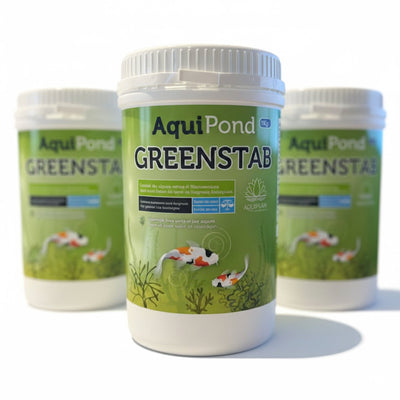 Aquipond Greenstab - Balanced pond water, limits algae
À partir de €34,95
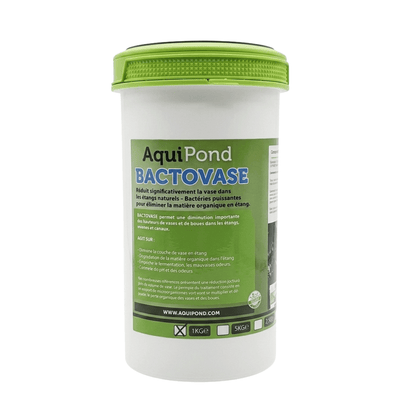 Aquipond Bactovase 1 kg – Bacteria for pond sludge reduction (5 to 10 m²)
€39,95
Voir le produit
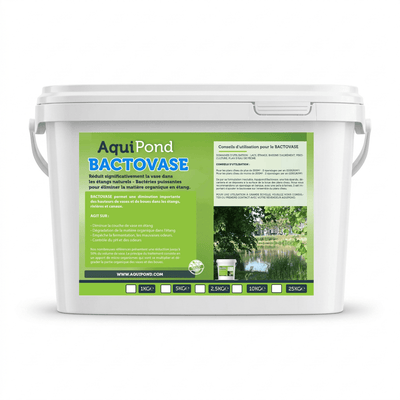 Aquipond Bactovase 2.5 kg – Bacteria to reduce pond sludge (12.5 to 25 m²)
€89,95
Voir le produit
 Aquipond Bactovase 5 kg – Bacteria to reduce pond sludge (25 to 50 m²)
€149,95
Voir le produit


Leave a comment